


09.12.2025
SAP Analytics Cloud Q4 2025
SAP Analytics Cloud (SAC) is the central tool for planning, analysis, and business intelligence in the SAP world. With the fourth quarterly release (Q4) 2025, SAP is once again delivering a comprehensive update that takes the platform's integration, user-friendliness, and governance to a new level.
As BDF Experts and specialists in the financial supply chain with SAP, we know that every release has the potential to optimize your business processes. We have analyzed the official release notes and present the five most important new features that you should know about and include in your analytics roadmap.

1. The new SAP Fiori Horizon Theme: Consistency and usability
The Horizon Theme is more than just a cosmetic update; it is a strategic move by SAP toward a consistent user experience (UX) across all cloud products.
What's new?
- Modern design: A fresh, uncluttered design that improves readability and focus on data.
- Consistency: The theme ensures a seamless look and feel between SAC, SAP Datasphere, and S/4HANA, making it easier for new users to get up to speed and increasing acceptance.
- Customizability: New color themes such as Morning, Evening, Light/Dark, and High Contrast allow for customization to the work environment and improve accessibility.

Significance for your business: The Horizon Theme reduces cognitive load for users and enables faster, more intuitive interaction with the platform. It is a central building block for a modern and user-friendly system landscape.
2. My Metrics: KPI monitoring on the home page
With My Metrics, SAP is introducing a powerful feature for self-service KPI monitoring that replaces the previous ‘watchlist’ feature.
What's new?
- Personalized KPI lists: Users can create and manage personal lists of key performance indicators (KPIs) directly on the SAC home page.
- Easy creation: KPIs can be added directly from existing stories, which greatly simplifies the process.
- Focus: The feature allows controllers, managers, and reporting teams to view their most critical metrics immediately after logging in.
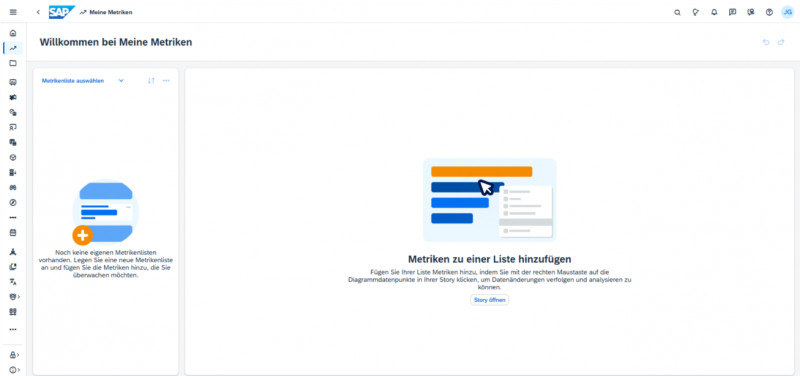
Significance for your business: My Metrics strengthens the self-service approach by allowing users to independently select, organize, and monitor their most important performance indicators—without any support from IT or reporting teams. This creates a broader data culture within the company, as employees actively manage their key figures instead of just consuming them. Decisions are made faster, transparency is increased, and operational monitoring becomes significantly more efficient.
3. Seamless Planning: Live data from SAP Datasphere
The concept of seamless planning is one of the key architectural developments in the SAP analytics landscape. It enables planning processes to be built directly on live data from SAP Datasphere, thereby combining analysis and planning on a common, consistent database. This puts SAP Datasphere even more at the center of SAP's overall data and planning strategy.
What's new?
- Live connections: Planning processes can now be based directly on live data from SAP Datasphere without the need for data replication into SAC.
- Real-time planning: Reduced data latency enables true real-time planning and forecasting.
- Integrated data landscape: This is a crucial step toward realizing the business data fabric, where analysis and planning are performed on a single, consistent data base.
Significance for your business: Seamless planning eliminates data redundancies and ensures that planning decisions are made based on the most up-to-date data available. This is a must for companies that want to modernize their planning and forecasting processes.
4. Scheduling & Process Management: The Factory Calendar
For anyone who manages regular processes in SAC, the new Factory Calendar brings a significant improvement in process automation.
What's new?
Customizable calendar: Introduction of a configurable calendar for defining working days and holidays.
Intelligent automation: Tasks can now be automatically scheduled to run only on working days.
Visual control: A Gantt chart visualizes the planned processes, taking the calendar into account.
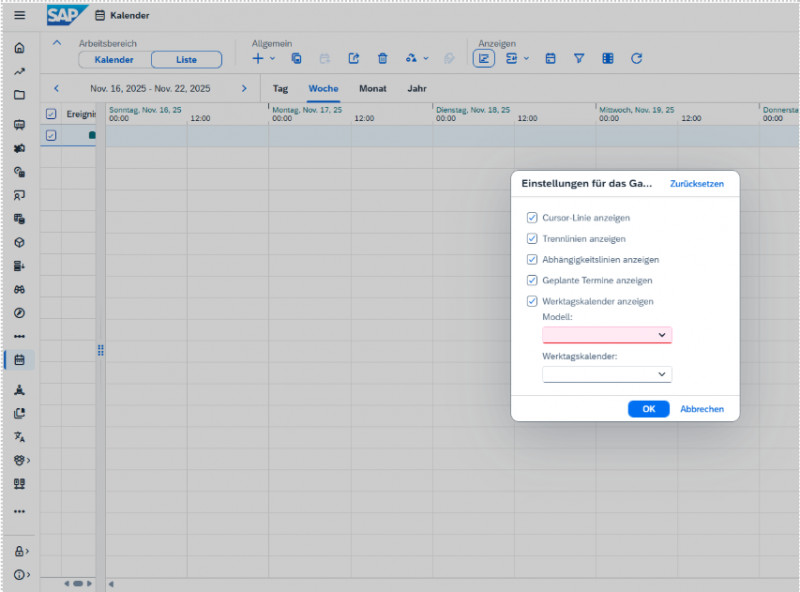
Significance for your business: The Factory Calendar reduces manual intervention and sources of error in critical processes such as month-end closings or the creation of regular reports. It ensures realistic and reliable process control.
5. Performance Content: Model Statistics & Analysis
In the area of governance and system administration, SAP provides an important tool for IT and specialist departments with the new dashboard for model statistics and analysis.
What's new?
- Live connections: Planning processes can now be based directly on live data from SAP Datasphere without the need for data replication into SAC.
- Real-time planning: Reduced data latency enables true real-time planning and forecasting.
- Integrated data landscape: This is a crucial step toward realizing the business data fabric, where analysis and planning are performed on a single, consistent data base.

Significance for your business: This feature supports sustainable SAC system management. Improved transparency allows you to proactively control data volumes, optimize performance, and ensure compliance with governance guidelines.
Conclusion and next steps
The SAP Analytics Cloud Q4 2025 release is a powerful update that advances the platform toward even tighter integration with the SAP data landscape and improved user centricity.
Your to-do list:
- Horizon Theme: Review your existing stories to ensure they fit harmoniously with the overall look and feel of the new theme in SAC.
- Seamless Planning: Evaluate pilot projects to test live planning with SAP Datasphere.
- My Metrics: Train your users to create personal KPI lists to promote self-service monitoring.
Use these new features to sharpen your analytics strategy and secure a competitive advantage.
